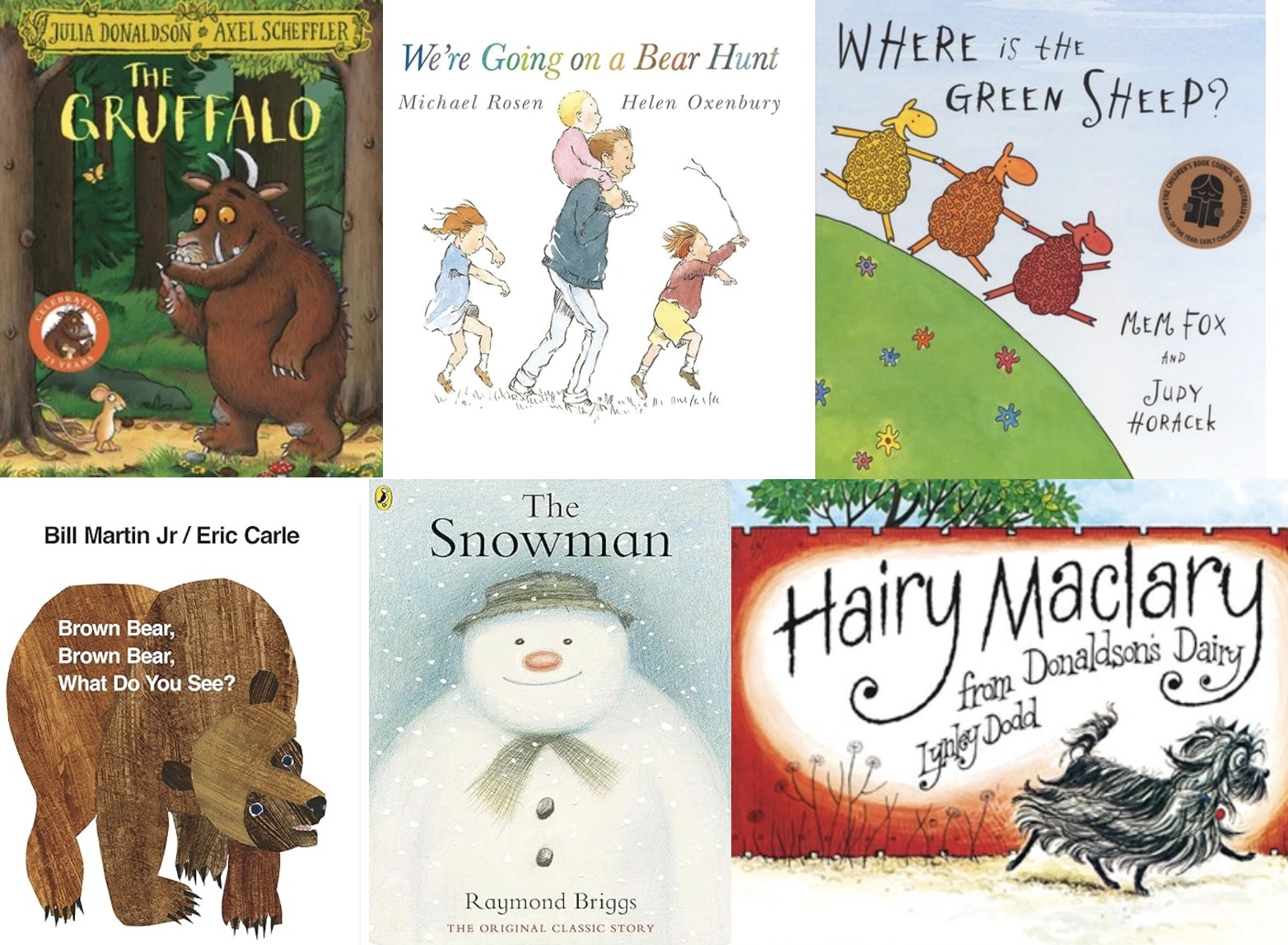
Best picture books for children with autism

  • Top recommendations of books that engage children with ASD
  • Read these books together to practise speech and pointing

Long before my son learned to speak, he loved having books read aloud to him, and when he eventually started forming words many of them came from the books he had memorised.

Over the years, through reading hundreds of picture books hundreds of times over, I developed a sense of what particularly engaged him and encouraged him to repeat the words.

Here are my top recommendations of books for young children with ASD just starting out on their reading journey.

Continue reading “Best picture books for children with autism”

How to teach pointing to a child with autism

  • Encourage pointing to ‘request something’ and to ‘respond to a question’
  • Use everyday items that your child uses frequently

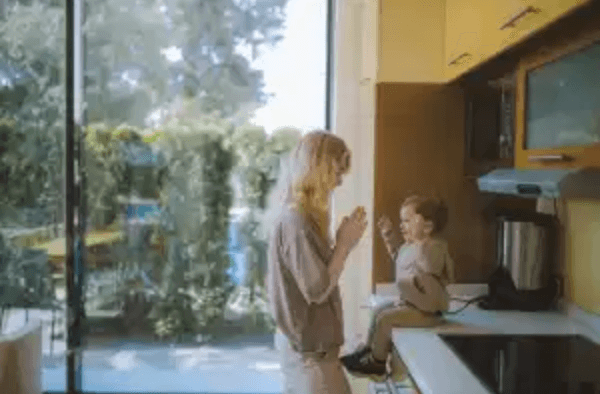
Along with his speech delay and lack of eye contact, my son’s inability to point at objects was one of the earliest indications that eventually led to his ASD diagnosis.

So, in the early days, we practised finger pointing at home, using everyday items that my son used or requested multiple times a day.

Here’s how we did it.

Continue reading “How to teach pointing to a child with autism”

How to make visual schedules for home

  • Help your child with ASD understand the plans for the day
  • Use photos of real people and real places where possible

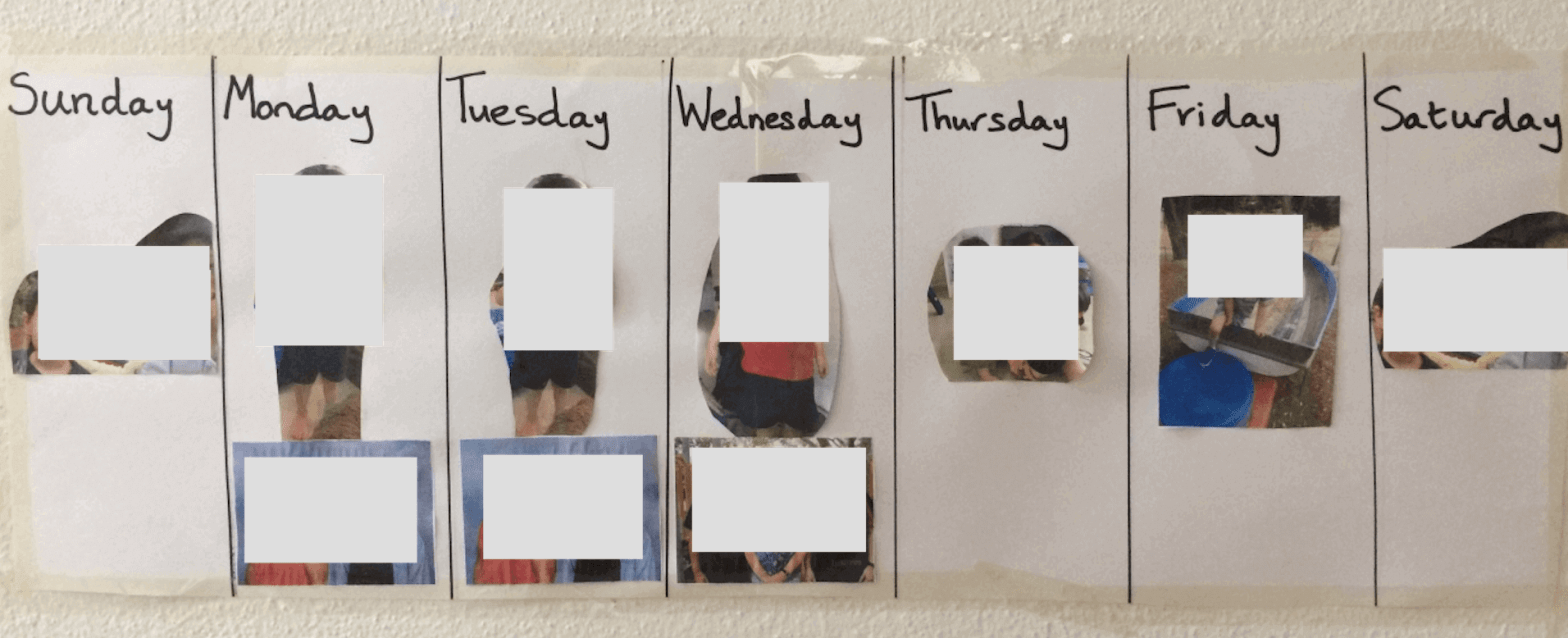
As part of his autism, my son often struggles to understand what has been planned for the day and the week ahead, if he is only told verbally.

So, since the early days, I have created a visual weekly schedule to put up in the dining room, so that we can look at it together over breakfast.

Here’s how I do it.

Continue reading “How to make visual schedules for home”

How to teach a child with ASD using YouTube

  • Teach your child to speak, understand the world and learn new skills
  • Make a YouTube playlist and let it run at TV time

Every parent feels guilty putting their child in front of the TV, but we all need time out to do chores, or, just time out. This is particularly true when we are supporting a child with additional needs.

So I decided to ‘make use’ of my son’s screen time to covertly teach him new words and concepts. I made lots of YouTube playlists about everything from sight words to yoga poses. It turns out there is a YouTube video for almost anything!

Here are the YouTube videos I found particularly effective.

Continue reading “How to teach a child with ASD using YouTube”

Reading aloud to a child with autism

  • Use books to help your autistic child learn to speak
  • Tips on what books to choose, and how to read them

Many of the first words that my son uttered were learned from books. Long before he was able to speak, he loved having stories read aloud to him, often the same book hundreds of times.

As with many children with ASD, my son has an excellent memory. The repetition over weeks and months helped him to memorise the words in his favourite books, anticipate them as they were being read aloud and — eventually — join in to say them together.

Here is a step-by-step guide on how I helped him along the journey.

Continue reading “Reading aloud to a child with autism”

ASD: Toy to help develop language

  • Teach your autistic child how to talk using a simple toy
  • Choose an easy, fast-paced game that encourages repetition

The OT used this kind of toy to teach my son how to take turns. But it’s also great for practising speech, because you can play games that are fast-paced, repetitive and motivating.

Here’s how my son’s speech therapist did it.

Continue reading “ASD: Toy to help develop language”

Taking turns: how to teach a child with autism

  • Use a simple toy to help an autistic child practise taking turns
  • Choose a game that has a clear ‘start’ and ‘end’

As my son grows up, I’m becoming increasingly aware how fundamental turn taking is to functioning in society. To learn the skill of turn taking you need to acquire patience and empathy. You need to follow rules, both explicit and implicit, to ‘read the room’ and adapt to changing situations, and learn to enjoy an activity in the company of others.

All things that a child with autism, like my son, finds difficult.

So, from the early days since his diagnosis, we have been practising turn taking at home, based on this game my son’s OT showed us. Here’s how it goes.

Continue reading “Taking turns: how to teach a child with autism”

ASD: transitioning between activities

  • Help your child with ASD to stop one activity and go on to another
  • Less desirable activity first, followed by a preferred activity

One enduring symptom of my son’s autism is his struggles over transitioning from one activity to another.

Here is what I do at home to help.

Continue reading “ASD: transitioning between activities”

How to help a child with ASD respond to questions

  • Tips on communicating with a child with autism
  • ‘Act dumb’ and deliberately make mistakes

Due to his diagnosis of ASD with language impairment, my son didn’t talk for a long time. And even when he started to speak, it was difficult to engage him in interactions, verbal or otherwise.

So I learned to provoke a response from him by deliberately ‘acting dumb’.

Continue reading “How to help a child with ASD respond to questions”

Encouraging a child with autism to follow instructions

  • How to encourage your autistic child to understand and follow instructions
  • Use direct, positive framing

As a feature of his ASD, my son struggles to follow instructions. Here’s a method our speech pathologist taught me to improve his understanding.

Continue reading “Encouraging a child with autism to follow instructions”

Autism and cooperative play

  • Tips on how to broaden the range of play for an autistic child with limited interests
  • Encourage interactive play by interrupting and surprising them

In the early years following his ASD diagnosis, my son preferred to play by himself and had limited interests. His range of play was very narrow, as he favoured repetitive routines using the same few toys. Even now, a few years on, I’m always trying to broaden his interests and encourage cooperative play with family members.

To do this, I’ve developed a method that’s best summed up as ‘interrupt and surprise’, based on key insights my son’s OT taught me in the early days.

Here’s how it works.

Continue reading “Autism and cooperative play”

Finger strengthening tips for a child with ASD

  • Incorporate hand and finger strengthening exercises into everyday activities
  • Use a variety of containers to build up finger muscle strength

In the first few years since his ASD diagnosis, my son struggled with weak hand grip and poor finger strength. So his OT taught us ways to incorporate hand and finger strengthening exercises into our everyday routine and play.

Here’s what we did.

Continue reading “Finger strengthening tips for a child with ASD”

How to talk to your autistic child

  • Teach your child how to talk by offering options
  • In the early stages, avoid open questions. Use direct phrases

In the first few years since his ASD diagnosis, my son struggled to answer basic questions such as ‘What would you like?’ Even now, it often requires repetition and rephrasing to communicate with him.

Here’s the technique I learned from his speech pathologist to help my son overcome this problem.

Continue reading “How to talk to your autistic child”

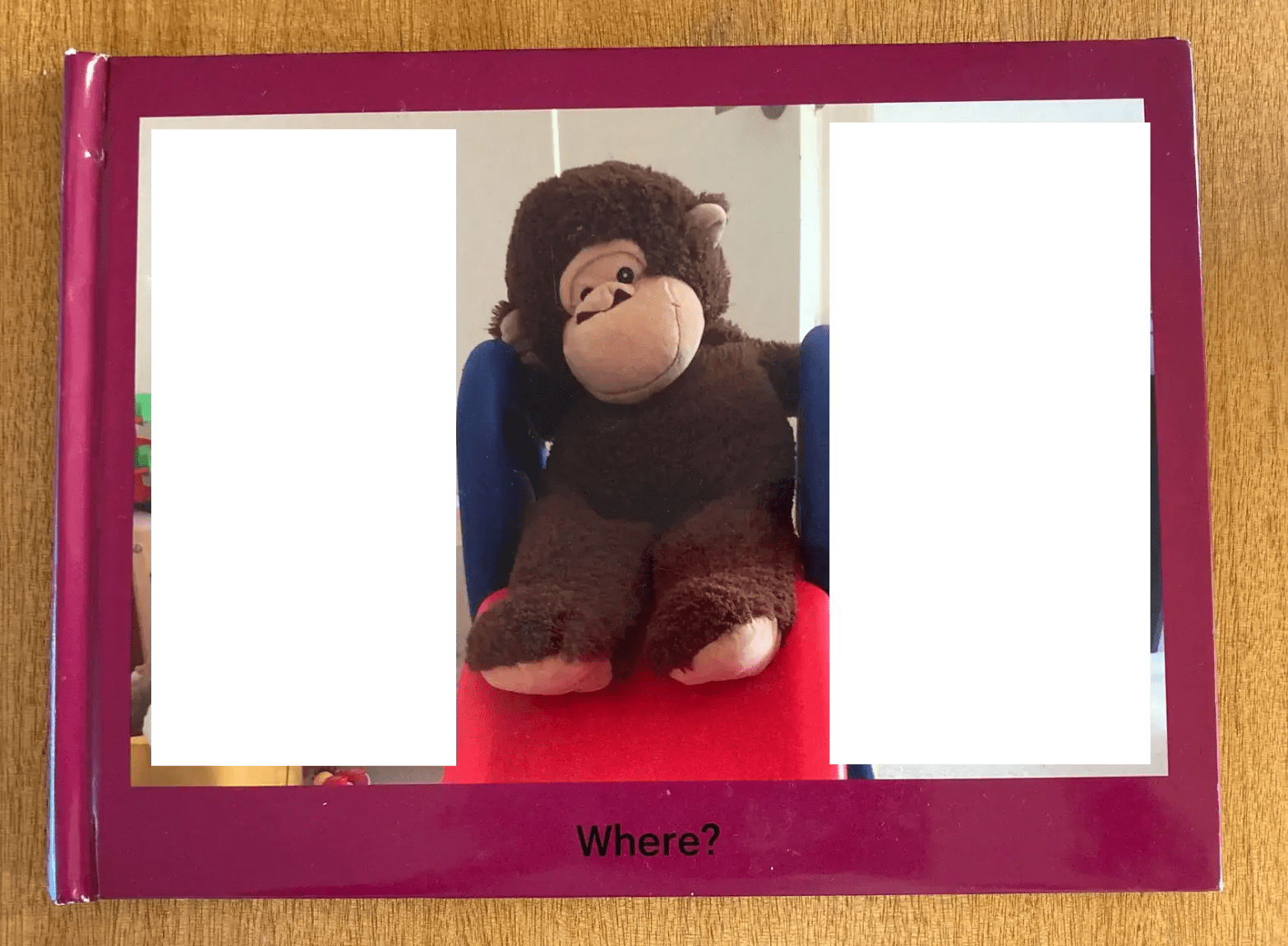
Autism and speech: use a photo book

  • Teach your autistic child how to talk about themselves
  • Use photos of people and objects that your child is familiar with

As part of his ASD diagnosis my son struggled to talk in the first few years of his life, but he showed interest in learning when it involved familiar people and objects. So I made a photo book and used that to teach him how to talk about himself.

Here’s how I did it.

Continue reading “Autism and speech: use a photo book”

Lego and autism: develop speech, fine motor, resilience

  • Use Lego to improve your child’s fine motor and nurture flexibility
  • Practise speech and pointing through playing with Lego

When I first encouraged my autistic son to build Lego, his fingers were weak and he struggled with coordination. But as we practised over months and years he grew to love it, and now enjoys building complex constructions by himself following a manual. It is one of the few ways he can maintain concentration and focus for multiple hours on one activity.

As a parent, I discovered that building Lego together provided opportunities for practising speech and pointing. Lego is also great for learning to be flexible, to be OK when you lose a piece, which inevitably happens!

Here’s how I taught my son to play with Lego bricks.

Continue reading “Lego and autism: develop speech, fine motor, resilience”

Autism and picky eating

  • How I support my autistic son’s fussy eating and expand his limited diet
  • Tips on how to encourage your child to eat things they don’t like

Like many children with ASD, my son is extremely sensitive to the smell and texture of foods, and likes only a small selection of meals, snacks and drinks.

Here’s how I discovered my son’s very specific preferences in the early days, and helped him eat a wider range of foods through trial and error in the years that followed.

Continue reading “Autism and picky eating”

How to teach eye contact to a child with ASD

  • Tips on how to make eye contact with your autistic child
  • Step-by-step guide to help your child meet your gaze

One of the early signs of my son’s autism was not making eye contact. In the years that followed, learning this skill was key to his speech development, and even now I encourage him to make eye contact when he is communicating with someone.

Here’s how my son and I practised making eye contact in the early days, drawing on advice from his speech pathologist and books on autism.

Continue reading “How to teach eye contact to a child with ASD”

How to teach an autistic child to talk

  • Ways to help a child with speech delay who struggles to pronounce words
  • How to clap out each syllable, as recommended by the speech pathologist

Part of my son’s ASD diagnosis was language impairment, and he spoke no words at aged two. Even as he learned a few words in the following couple of years, his pronunciation wasn’t clear and he struggled to sound out words with more than one syllable.

Here is what his speech pathologist taught me at the time — an easy method to help a child with speech delay sound out words.

Continue reading “How to teach an autistic child to talk”